Cotswold Villages Near Cheltenham: A Local's Guide to the Best Day Trips
An honest, local guide to the best Cotswold villages near Cheltenham, with distances, what to do, and how to plan a day trip from the Regency spa town.
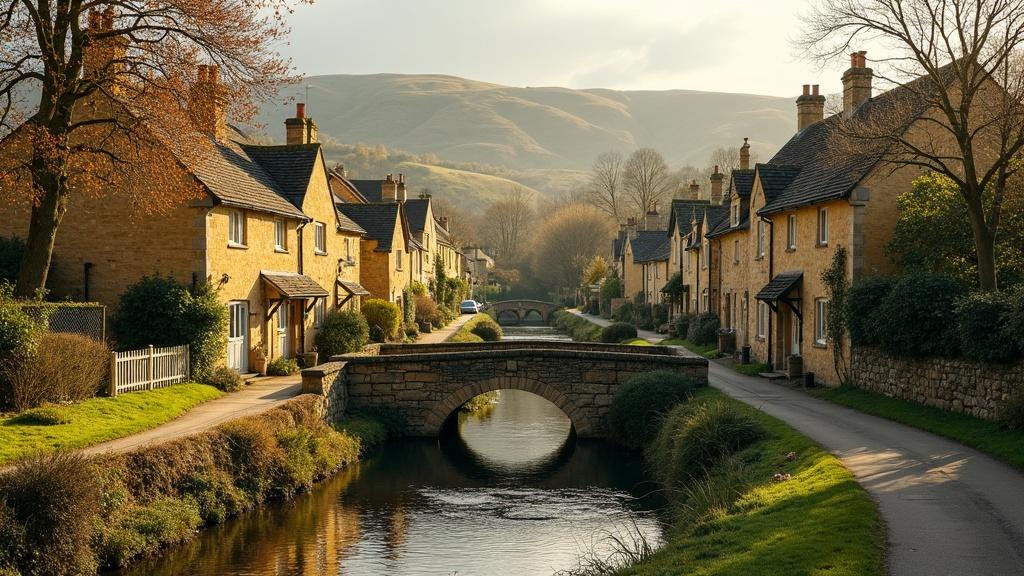
Cheltenham doesn't always get the credit it deserves as a Cotswolds base. Most travel guides send people to Bath or Oxford, but the Regency spa town has the better claim. The honey-stone villages, the dry-stone walls, the rolling escarpment views, they all start within a few miles of the Promenade.
That's the doorstep dilemma. Once you realise how close the Cotswold villages near Cheltenham really are, the harder question becomes which ones to pick. Some are five miles away and quietly excellent. Others are touristy enough that you'll want a strategy. A few are worth a full day, and a couple are best as a brisk afternoon detour.
This guide picks the villages that genuinely reward a trip from Cheltenham, in rough order of distance. You'll get an honest read on what each one is for, what to do when you arrive, and how to fit it into a wider weekend in town. No clichés about chocolate-box charm. Just the practical local view.
Why Cheltenham is the perfect base for exploring the Cotswolds
The Cotswolds National Landscape covers 787 square miles, making it the largest of England's protected landscapes outside the national parks. It receives roughly 23 million visitors a year, according to figures cited by the Cotswolds AONB management body, and it's been officially designated since 1966.
Cheltenham sits on the western edge of all that, right where the Cotswold escarpment drops down into the Severn Vale. That position is why so many of the prettiest villages are within twenty minutes' drive. You can be in Winchcombe before your second coffee, in Broadway by mid-morning, and back in town for dinner.
Compare it to Oxford or Bath, both of which are an hour away from the heart of the Cotswolds. Cheltenham is in it. The Visit Cheltenham team has a useful overview of the wider area if you want to see the geography on a map.
It also helps that Cheltenham itself is a proper destination, with festivals, restaurants, and Regency architecture worth a few days on its own. If you're planning a longer stay, our weekend in Cheltenham guide covers the in-town side of things.
Winchcombe: the closest Cotswold village to Cheltenham
Winchcombe is seven miles north-east of Cheltenham, which makes it the obvious first stop. It styles itself the "Walking Capital of the Cotswolds" and runs a walking festival every May, with the Cotswold Way National Trail running straight down the High Street.
Park near the abbey ruins or the Tourist Information Centre, then wander. The High Street is short, slightly sloping, and lined with independent cafés, antique shops, and one of the better second-hand bookshops in the county. It feels more lived-in than the postcard villages further east, which is part of its appeal.
Sudeley Castle and Catherine Parr
A short walk from the centre takes you to Sudeley Castle, one of the more remarkable houses in England. It was built in 1443, owned at various points by Edward IV and Richard III, and visited by Henry VIII. His sixth wife, Catherine Parr, later lived and died here. She's buried in the chapel on the grounds, the only Queen of England with a final resting place at a private castle.
The ten gardens are the real draw. The Queens' Garden is in full bloom from late spring, and the parkland walks make for an easy afternoon. Tickets are around £24 for adults in the 2026 season, with the castle open daily from mid-March to early November.
Walking from Winchcombe High Street
If you're after a serious walk, the Cotswold Way out of Winchcombe heads up to Belas Knap Long Barrow, a Neolithic burial chamber on the hillside, then on to Cleeve Hill, the highest point in the Cotswolds. It's a steady three miles each way and rewards you with views back across Cheltenham and the Severn Vale.
For something gentler, the path north to Hailes Abbey ruins is mostly flat and ends at one of the more atmospheric medieval sites in Gloucestershire. Pair either with lunch at the White Hart or 5 North Street back in the village.
Broadway and Broadway Tower: the jewel of the Cotswolds
Sixteen miles north of Cheltenham, Broadway is the village most people picture when they say "Cotswolds." Wide tree-lined high street, honey-coloured limestone, immaculate front gardens, the whole package. It's busier than Winchcombe but better looking.
The Broadway tourism board is right that it's set up for visitors, with boutiques, art galleries, and tearooms in serious supply. The Gordon Russell Design Museum is worth thirty minutes for anyone interested in Arts and Crafts furniture. The Lygon Arms hotel anchors the High Street and has been pouring drinks since the sixteenth century.
What to do in Broadway village
The shopping is properly good. Independent galleries, an excellent deli, antique shops with prices to match the postcode. Russell's of Broadway is the local benchmark for lunch, with a menu built around Cotswold and Vale of Evesham produce. Tisanes Tea Rooms is the more traditional choice if you want a pot of Earl Grey and a slice of fruitcake without queuing.
Broadway Tower and the 16-county view
Two miles south-east of the village, on top of Beacon Hill, sits Broadway Tower. It's a Gothic folly built in 1798 for the 6th Earl of Coventry, surrounded by a 50-acre estate of parkland with red deer and far-reaching views. On a clear day you can see sixteen counties from the roof. There's a Cold War nuclear bunker on the site too, decommissioned but accessible, which gives the visit an unexpected layer.
It's the best view in the Cotswolds, full stop. Pack a flask and time it for late afternoon if the weather's right.
How far are the Cotswold villages from Cheltenham?
Distances vary more than people expect, so here's the quick reference. Winchcombe is 7 miles north-east, around 20 minutes by car. Broadway is 16 miles, roughly 30 minutes. Bourton-on-the-Water is 17 miles east, about 35 minutes. Stow-on-the-Wold is 19 miles, give or take five minutes on the road. Bibury is the longest haul at 25 miles, closer to 50 minutes through winding lanes. Painswick sits 11 miles south, about 25 minutes via the A46.
You can do two villages in a day comfortably, three if you're efficient and skip the long lunch. Most visitors try to fit in too much. Pick your two and walk slowly.
Bourton-on-the-Water, the Slaughters and Stow-on-the-Wold
This trio in the eastern Cotswolds works well as a single day's outing. They're within a few miles of each other and offer three very different moods.
Bourton-on-the-Water
Often called the Venice of the Cotswolds for the low stone bridges over the River Windrush, Bourton is undeniably pretty and undeniably busy. Arrive early, before the coach parties land. The Cotswold Motoring Museum is genuinely good for an hour, and the model village (a 1:9 scale replica of Bourton itself) is the kind of charming oddity that justifies the trip.
Upper and Lower Slaughter
A two-mile walk north of Bourton takes you through Lower Slaughter, where a stone footbridge crosses the river next to a working watermill, then on to Upper Slaughter. These are the villages that feel time-stopped, with no cars on the lane and barely a tea room between them. If Bourton is the show, the Slaughters are the breath you take after.
Stow-on-the-Wold
Stow sits on top of an 800-foot hill on the old Roman Fosse Way, which gives it a different character from the valley villages. It's got an old market square, three excellent pubs (the Porch House claims to be England's oldest inn), and antique shops worth a browse if you've got patience. The famous yew-flanked door at St Edward's Church, which inspired the Tolkien crowd, is round the back of the church and pleasantly unfussed-with.
Painswick and Bibury: rococo gardens and weavers' cottages
Different direction, two of the most photographed villages in England.
Painswick Rococo Garden
Painswick is eleven miles south of Cheltenham and known as the Queen of the Cotswolds. The village itself is small, with a famous churchyard of 99 yew trees (legend says the 100th will never grow), a cluster of old wool merchants' houses, and one of the more atmospheric pubs in the county at the Falcon Inn.
The real reason to visit is the Painswick Rococo Garden, the country's only complete surviving rococo garden. It was designed in the 1740s as a fanciful pleasure garden, with formal vistas, winding woodland walks, and follies hidden in unexpected places. The snowdrops in February are the big draw, but it rewards a visit any time from spring to autumn.
Bibury and Arlington Row
Bibury is the further drive at 25 miles, but it's the village William Morris called "the most beautiful in England." The pull is Arlington Row, a terrace of seventeenth-century weavers' cottages on the National Trust register, fronting onto a watermeadow and the River Coln. It's also probably the most photographed street in the Cotswolds, so go midweek if you can. The Swan Hotel and the trout farm round out a slow morning.
Can you visit the Cotswolds from Cheltenham without a car?
Yes, though it takes more planning. The Stagecoach 606 bus runs between Cheltenham and Winchcombe in about 20 minutes, Monday to Saturday, no Sunday service. The 66 bus connects Cheltenham to Painswick and Stroud roughly hourly. Broadway is reachable via the GWR train to Honeybourne with a short taxi at the other end, or via the heritage Gloucestershire and Warwickshire Steam Railway from Cheltenham Racecourse, which is a slow and properly scenic option.
Bourton-on-the-Water and Stow are harder without a car. The Pulhams 801 bus connects them but services from Cheltenham involve a change. For the full eastern Cotswolds run, hiring a car for one day is usually the better call.
If walking is the priority, you don't even need to leave Cheltenham's edges. Our guide to the best walks near Cheltenham covers Cleeve Hill, Leckhampton Hill, and the Cotswold Way routes that start within the town's reach.
Plan your Cotswold day trips around Cheltenham
The Cotswold villages near Cheltenham are an embarrassment of riches, and the easiest mistake is trying to see them all in 48 hours. Pick two villages a day, build in a proper lunch, leave time to wander a churchyard or follow a footpath without a clear destination.
Cheltenham itself is the right base: well placed, well stocked, and a proper town in its own right. Book a table at one of the best restaurants in Cheltenham for the evening you come back from Broadway, and sort out where to stay in Cheltenham before you start mapping out village days.
The Cotswolds reward visitors who slow down. Don't rush them, don't try to tick them off. The villages will still be there next time you come back, and you almost certainly will.
Meta Description (150-160 chars): A local's guide to the best Cotswold villages near Cheltenham. Distances, what to see, and how to plan a day trip from this Regency spa town.