Cheltenham Races 2027: Dates, Tickets, Hotels and Pubs
The Cheltenham Races for the 2027 Festival, 16 to 19 March: each day's feature race and times, ticket prices, the shuttle and parking rules, what to wear, and where to stay and drink in town.
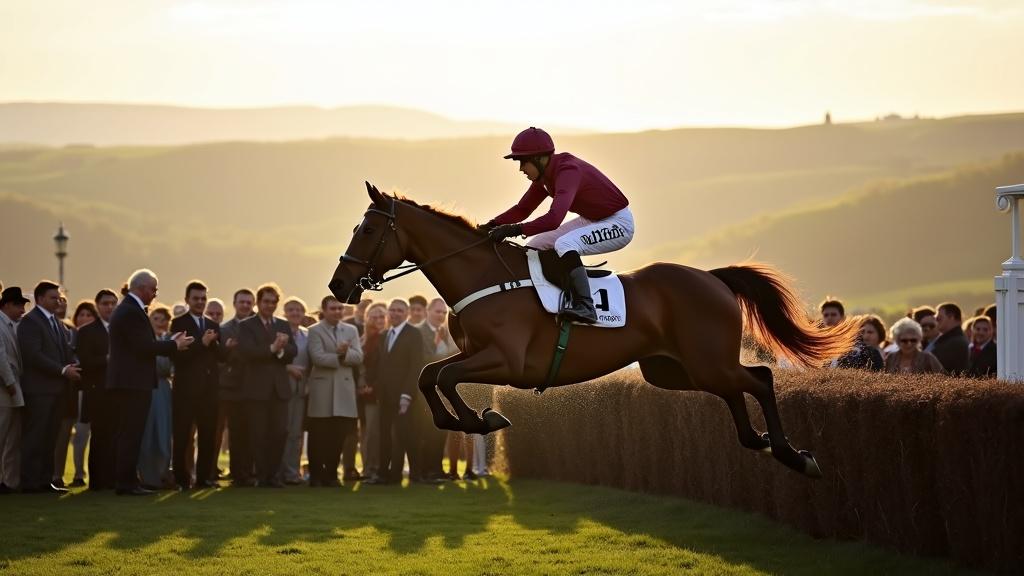
In short: the Cheltenham Races, the Cheltenham Festival, run from Tuesday 16 to Friday 19 March 2027 at Cheltenham Racecourse. Gates open at 10.30am, the first race is at 1.20pm and the Gold Cup is at 4pm on the Friday. Book a room now, book any car parking pass in advance (none are sold on the day), or take the £10 return shuttle from the station.
For four days every March the Cheltenham Races take over the town. This guide covers the 2027 Festival: the dates and race times, tickets, getting to the course, what to wear, and where to stay and drink in town. Dates, prices and rules come from the racecourse's own pages and each venue's own site, checked on 21 October 2026.
When is the Cheltenham Festival 2027?
Tuesday 16 to Friday 19 March 2027: four days, seven races a day, 28 in all.
| Day | Date | Feature race | Time |
|---|---|---|---|
| Champion Day | Tue 16 Mar | Unibet Champion Hurdle | 4pm |
| Ladies Day | Wed 17 Mar | BetMGM Queen Mother Champion Chase | 4pm |
| St Patrick's Thursday | Thu 18 Mar | Ryanair Chase (Stayers' Hurdle 3.20pm) | 4pm |
| Gold Cup Day | Fri 19 Mar | Boodles Cheltenham Gold Cup | 4pm |
Each day the gates open at 10.30am, the preview show starts in the Parade Ring at 12.25pm, the first race is at 1.20pm and the last at 5.20pm. The racecourse says timings may change, and its FAQ page still gives 1.30pm and 5.30pm, so check the race schedule nearer the time.
Which day of the Cheltenham Races should I go to?
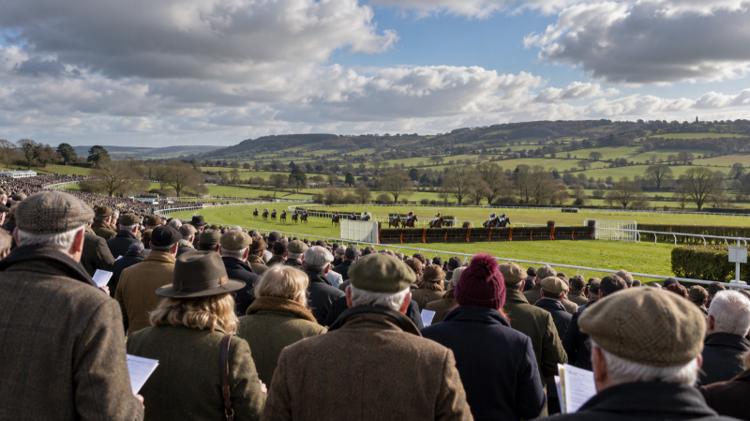
Friday for the Gold Cup, Tuesday for the purest racing, Wednesday for dressing up and Thursday for the loudest crowd.
- 🏁 Tue: the Champion Hurdle opens the week
- 👒 Wed: Ladies Day, the day to dress up
- ☘️ Thu: St Patrick's Thursday, two Grade 1s
- 🏆 Fri: the Gold Cup, the race of the week
How much are Cheltenham Festival tickets?
On 21 October 2026 the racecourse's Champion Day pages listed adult tickets at £102 in the Club Enclosure and £70 in Tattersalls, with children aged 5 to 17 at half price.
- 🎟️ Club £102, Tattersalls £70 (Champion Day)
- 👶 Under 4s free, but they still need a ticket
- 🧑 Under 18s only with an adult over 21
- 💳 Cashless, except with the on-course bookmakers
Good to know: the racecourse is on its Early Bird sale, so prices may change. There are three enclosures (Club, Tattersalls and Best Mate), and other days may cost more, so check each day on the tickets page. Hospitality for 2027 is taking registrations of interest; the Panoramic Restaurant is listed from £1,194. You cannot bring your own alcohol or a hip flask, the bars serve four alcoholic drinks at a time, and rucksacks and holdalls are turned away.
How do I get to Cheltenham Racecourse?
By the race day shuttle, on foot or by park and ride. The course is on Evesham Road at Prestbury Park, GL50 4SH, north of the town centre.
- 🚌 Stagecoach shuttle from Cheltenham Spa station and the town centre: £10 return, £6.50 single (afternoon only)
- 🚶 30 to 40 minutes' walk from the station
- 🅿️ Park and ride at Arle Court, M5 junction 11: buses in 9.15am to 2.30pm, back 4pm to 7.30pm
- 🚗 Car parking passes online only; cars without one are turned away
Good to know: book the park and ride online too. There is no cash machine at the station, and taxis use a signed drop-off on the main drive. Details are on the racecourse's travel page.
What should I wear to the Cheltenham Races?
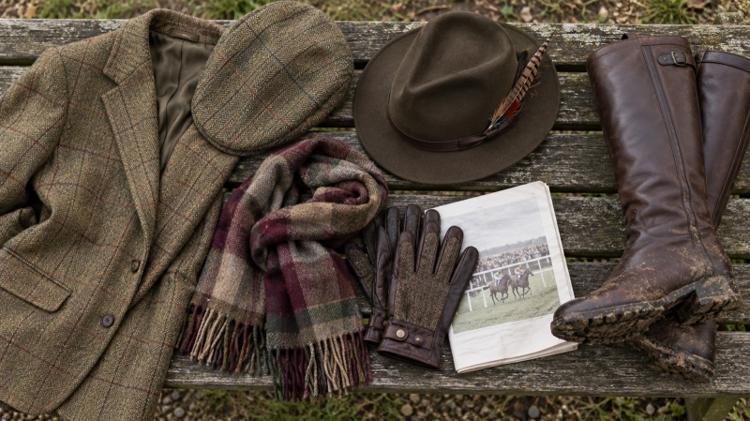
Whatever keeps you warm and dry. There is no formal dress code, though the racecourse encourages people to dress up for the Festival.
March on a hillside can turn cold and wet in half an hour, so layer up and wear boots or flat shoes: most car parks are laid with trackway, but it is still a walk to the course. Tweed and a hat are the local uniform. Fancy dress is allowed in the open enclosures, but not in the Club Enclosure, the restaurants or hospitality.
Where should I stay for the Cheltenham Races?
In Pittville if you want to walk to the course, or in Montpellier and the town centre for the restaurants and bars. Rooms go fast for race week, so book now.
| Hotel | Area | To the course | Dogs |
|---|---|---|---|
| No.38 The Park | Pittville | 15-minute walk | Yes, £25 a night |
| Cotswold Grange | Pittville | Between town and course | Not stated |
| Queens Hotel | Montpellier | Shuttle or taxi | Yes, £30 a night |
| Malmaison | Montpellier | 2.5 miles | Yes, £25 a night |
No.38 The Park
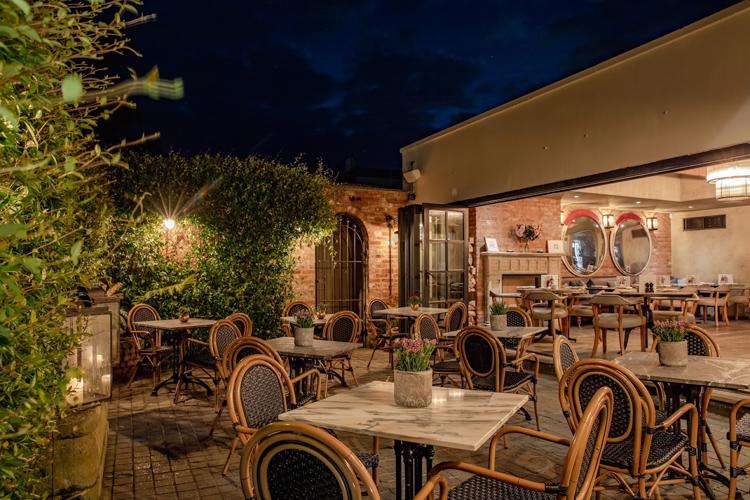
A Georgian townhouse with 13 bedrooms that calls itself the closest hotel to the racecourse. Breakfast runs longer on race days.
- 🐎 15-minute walk to the course
- 🛏️ 13 rooms, all dog-friendly
- 🅿️ A few spaces out front, permits on the street
- 📍 Evesham Road, Pittville
Cotswold Grange
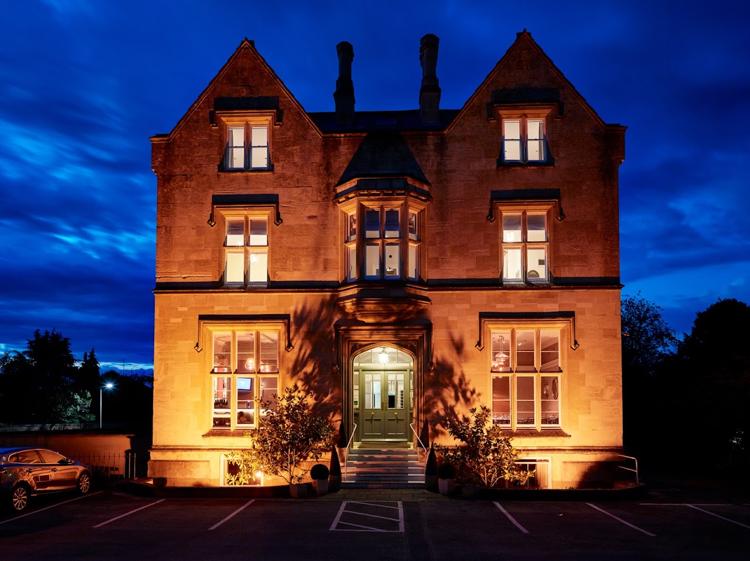
A Cotswold-stone house from about 1855 on a quiet avenue between the town centre and the racecourse. Every room is up the stairs.
- 🍳 Breakfast included if you book direct
- ⏰ Breakfast 7.30am to 9.30am weekdays
- 📍 Pittville Circus Road, Pittville
Queens Hotel
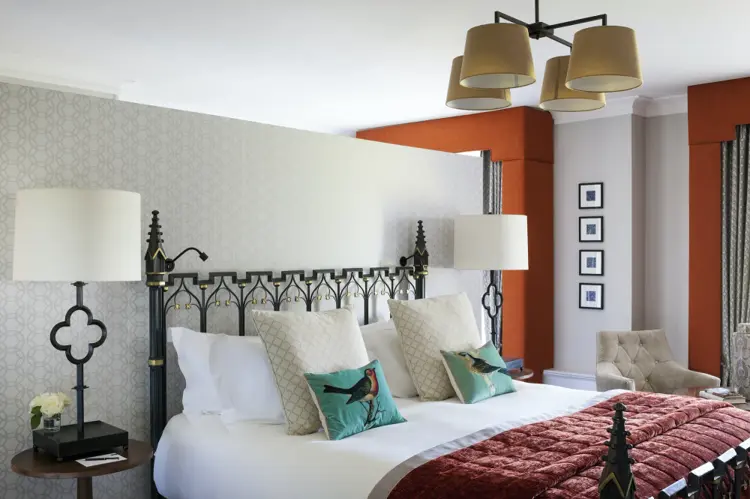
The grand Grade II listed hotel at the top of the Promenade, with 84 rooms, the At Victoria's restaurant and a Gold Cup Bar. The shuttle stops in the town centre.
- 🛏️ 84 rooms
- 🐕 Up to two dogs, £30 a night
- 📍 The Promenade, Montpellier
Malmaison

A 61-room boutique hotel in a white Regency villa, with the Chez Mal Brasserie for breakfast, lunch and dinner. It is 2.5 miles from the course.
- 🛏️ 61 rooms and suites
- 🅿️ £10 a night, cannot be reserved
- 📍 Bayshill Road, Montpellier
More hotels, guest houses and prices are in our where to stay in Cheltenham guide.
Where to eat and drink in town during race week
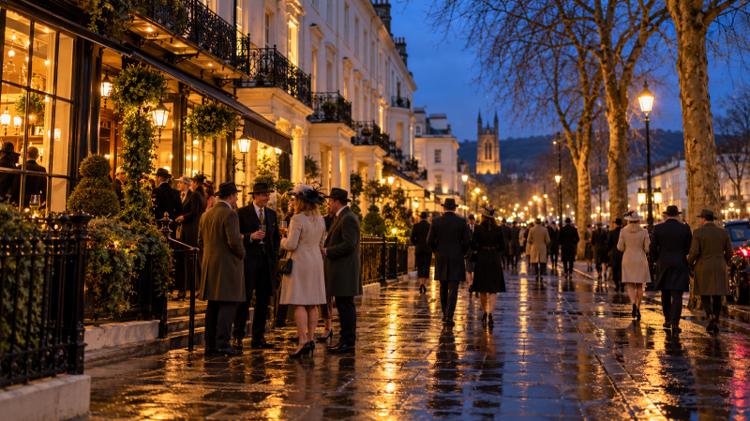
Book dinner well ahead for race week, and pick a bar that suits the night you want.
No.131
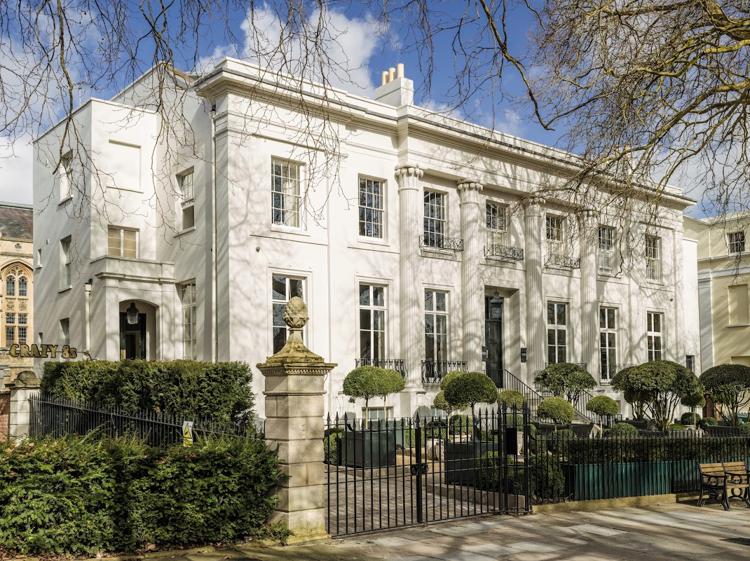
The Promenade townhouse that says race days are its busiest, with DJs every race night. In Festival week Bar Tokyo is kept for residents and VIPs; the Gin & Juice bars, usually cashless, take cash on racing dates.
- ⏰ Gin & Juice Fri and Sat to 2.30am
- 🚶 Gin & Juice is walk-in only
- 📍 The Promenade, Montpellier
The Botanist Cheltenham
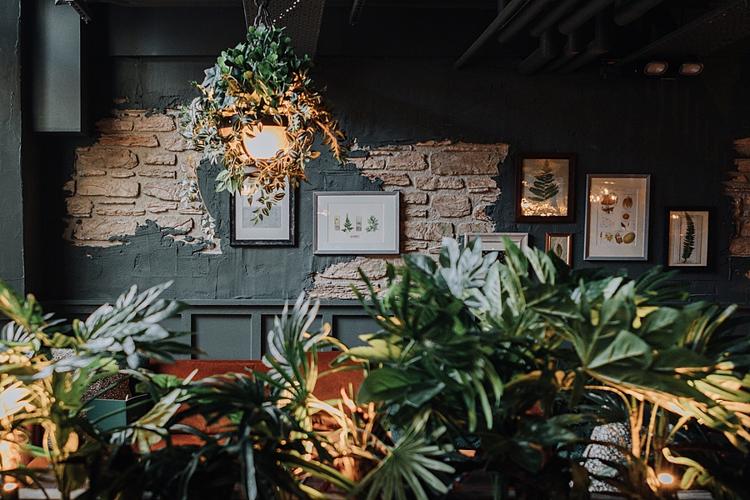
A big, lively bar and restaurant in the Brewery Quarter, with live music Thursday to Sunday and a happy hour that lands as racing ends.
- ⏰ Mon to Thu 11am to 10pm, Fri to midnight
- 🍺 4pm to 7pm weekdays: pints £5, cocktails £7
- 📍 Brewery Quarter, Town Centre
Sandford Park Alehouse
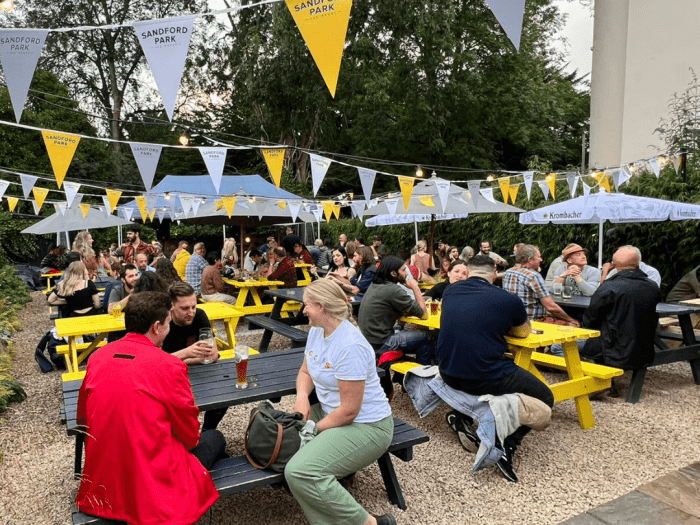
A real-ale pub on the High Street with 10 cask and 16 keg lines and a big beer garden. In 2026 it showed every race and served race week breakfasts from 9am; its 2027 plans are not up yet.
- ⏰ Fri and Sat 11am to midnight
- 🐕 Dog-friendly
- 📍 High Street, Town Centre
33 The Rum Bar
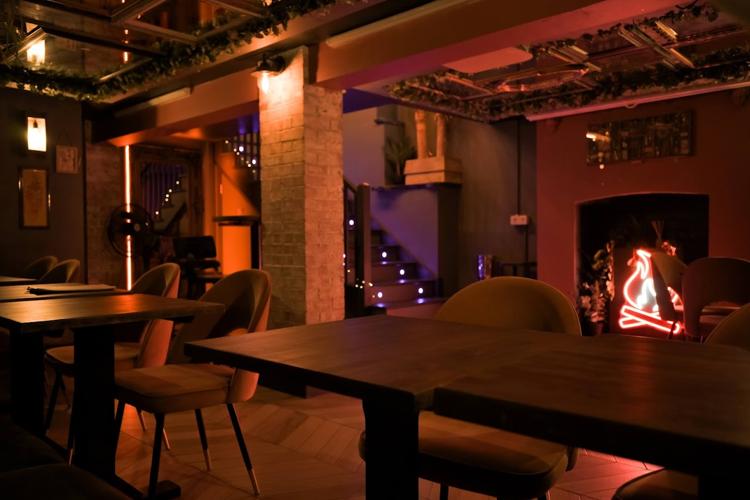
A small, dog-friendly bar with more than 150 rums, on Prestbury Road between the course and the town. Drinks, not dinner, and over 18s only.
- ⏰ Tue to Fri 4pm to 11.30pm
- 🍹 Two cocktails £15, 5pm to 7pm
- 📍 Prestbury Road, Pittville
Cheltenham Races: questions
When are the Cheltenham Races in 2027?
The Cheltenham Festival runs from Tuesday 16 to Friday 19 March 2027, with the Gold Cup at 4pm on Friday 19 March.
What time do the gates open at the Cheltenham Festival?
At 10.30am on all four days. The first race is at 1.20pm and the last at 5.20pm, though the racecourse says timings may change.
Can you park at Cheltenham Racecourse?
Only with a car parking pass bought online before the Festival. None are sold on the day, and cars without one are turned away.
Do children need a ticket for the Cheltenham Festival?
Yes. Children aged 5 and over pay half price, and under 4s go free but still need a ticket. Under 18s must be with an adult over 21.
Is there a dress code at the Cheltenham Races?
No formal one, though the racecourse encourages people to dress up for the Festival. Fancy dress is not allowed in the Club Enclosure, the restaurants or hospitality.