Cheltenham Literature Festival: A Local's Guide to the World's Longest-Running Book Festival
Every October, Cheltenham turns into a ten-day conversation. Writers, thinkers, scientists, comedians and broadcasters descend on the town, Montpellier Gardens fills with canvas pavilions and...
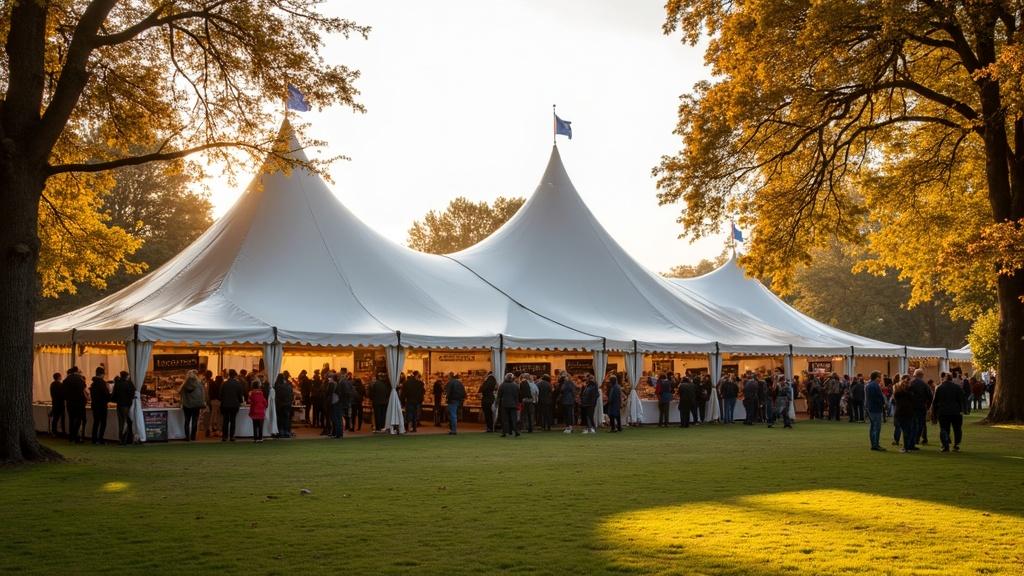
Every October, Cheltenham turns into a ten-day conversation. Writers, thinkers, scientists, comedians and broadcasters descend on the town, Montpellier Gardens fills with canvas pavilions and bookstalls, the Town Hall and the Everyman Theatre run events from breakfast to midnight, and the coffee shops get noticeably busier. This is the Cheltenham Literature Festival, and it is genuinely one of the best things that happens here all year.
It's also the oldest festival of its kind anywhere in the world. Founded in 1949, the festival has been running for more than 75 years, and a good half of the country's living novelists have probably done an event here at some point. If you care about books, ideas or good conversation, it belongs on your calendar.
This is a local's guide. What the festival actually is, when it runs in 2026, where to go between events, where to eat, where to stay, and the tips that make the difference between "bit of a scrum" and "best weekend of the year".
What Is the Cheltenham Literature Festival?
The Times and Sunday Times Cheltenham Literature Festival (to give it its full title) is a ten-day literary and cultural festival that takes over the town every October. It's run by Cheltenham Festivals, the same charity behind the Jazz, Science and Music festivals, and it's been going in one form or another since 1949.
The history is worth knowing. The festival was founded by George Wilkinson, Cheltenham's Spa Manager at the time, together with the Tewkesbury-based author John Moore, who became its first director. The opening event was launched by the actor Ralph Richardson (who was born in Cheltenham) and featured the poet Cecil Day-Lewis reading contemporary verse. That first year drew a small but enthusiastic audience to the Town Hall. Seventy-five years later, it pulls in more than 100,000 visitors.
The modern festival stretches well beyond books. You'll see novelists alongside scientists, historians alongside journalists, broadcasters alongside politicians, and comedians alongside poets. The line-up shifts each year, but the format is consistent: short, crisp events (usually 45 to 60 minutes), almost always a conversation between two people on stage, audience Q&A at the end, and a book signing afterwards if you want to meet the author.
Cheltenham Literature Festival 2026: Dates, Venues and What to Expect
When is it?
The Cheltenham Literature Festival 2026 runs from Friday 9 October to Sunday 18 October 2026, ten full days covering two weekends and the week in between. Weekends are busier, sell out faster and have the biggest-name events. Weekdays are quieter, feel more relaxed, and are the secret choice for locals.
The Festival Village at Montpellier Gardens
The heart of the festival is the Festival Village, a pop-up site built in Montpellier Gardens each autumn. The village includes the main event marquees, an on-site bookshop (worth a visit even if you're not attending an event), a pavilion for free programming, food and drink stalls, a children's area, and outdoor seating for warm afternoons and cold evenings. It's free to wander in and out of, and a good number of locals treat the village itself as the destination.
The 450+ events across the programme are split between the village and venues around town. Previous guest directors have included Kevin McCloud (on architecture and design), Will Hutton (on finance), Mary Beard (on the ancient world), China Miéville (on future fiction) and Owen Sheers (on poetry), and the 2026 line-up will follow the same model of big thematic strands curated by leading figures in their field.
The main venues beyond the village
Cheltenham Town Hall hosts the biggest ticketed events, the kind with 1,000-seat audiences and headline authors on book tours. The hall itself is a beautiful Edwardian building a short walk from the village. The Everyman Theatre in the town centre is the second major venue, a 660-seat Victorian theatre used for plays, comedy and larger literary conversations. Imperial Square and Pittville Pump Room also host events across the ten days.
All of the venues are walkable from each other, which is part of the charm. You can do a morning event at the village, walk ten minutes to the Town Hall for an afternoon talk, have tea on the Promenade and be back in time for an evening event. The whole festival runs on pedestrian geography.
Free Events at the Cheltenham Literature Festival
One of the nicest things about the festival is the proper programme of free events that sits alongside the ticketed ones. You don't need to spend £14 to £30 on a ticket to get something out of the week. The free programme includes:
- The VOICEBOX series, which puts live spoken word, poetry, comedy and music into the village pavilion across the ten days
- Roaming family entertainment, with drop-in workshops, storytelling and performances for children around the Festival Village
- Bookshop events, including signings and occasional pop-up talks
- Live music from local and national musicians, usually in the early evenings
The Festival Village is free to enter throughout. If you're curious about the festival but don't want to commit to a ticket, you can easily spend a full afternoon there, browse the bookshop, listen to a free event, eat something from one of the food trucks and get a proper feel for the place.
What to Do Between Events
Even the busiest festival-goer has gaps in their schedule, and Cheltenham is exactly the right size for wandering between talks. Here's how locals fill the in-between hours.
Walks and fresh air
Montpellier Gardens is itself a lovely place to sit, and Imperial Gardens next door is equally good for a quiet half-hour. If you want something longer, the walk up to Pittville Park and the Pump Room (20 minutes north) gives you one of Cheltenham's best green spaces and a Regency landmark at the end. If the weather's fine, the walk up to Leckhampton Hill takes around 40 minutes from the town centre and rewards you with views across the Severn Vale and out to the Welsh hills.
Where to eat during the festival
Cheltenham's restaurant scene has grown up significantly over the last decade, and the festival is the single best week of the year to book somewhere interesting. Lunch options close to the village include the Montpellier cluster of bistros, wine bars and independent cafés. For dinner, book at least a few days ahead at any of the better restaurants, especially on Friday and Saturday evenings when festival guests and locals compete for the same tables. Our full guide to Cheltenham's best restaurants is a good starting point.
For coffee between events, the independent coffee shops along Montpellier Walk and the Suffolks are walking distance from the village and make a welcome break from the queues at the on-site vans.
Bookshops and galleries
The on-site festival bookshop is good, but Cheltenham has a decent independent bookshop scene of its own. The Wilson, Cheltenham's art gallery and museum on Clarence Street, is free to visit and usually puts on festival-linked exhibitions. It's one of the quieter corners of town during Lit Fest week and a good place to catch your breath.
Where to Stay for the Cheltenham Literature Festival
Accommodation during Lit Fest fills up earlier than people expect, especially for the two weekends. Book ahead is the only real advice. The best options are in Montpellier or the town centre, ideally within walking distance of the Festival Village so you're not dealing with taxis between events. The full list of Cheltenham's best hotels covers the shortlist, and the Queens Hotel on Imperial Square puts you essentially on top of the festival. No. 131 on the Promenade and Hotel Du Vin in Montpellier are both excellent boutique options within a few minutes' walk of the village. If you're on a tighter budget, the Premier Inn and Travelodge on the edge of the town centre work fine for a short stay.
How Do You Get to the Cheltenham Literature Festival?
By train, Cheltenham Spa station is a 20-minute walk from the Festival Village, or a five-minute taxi. Cheltenham is on the main line from London Paddington (just over two hours direct), Birmingham, Bristol and the North, so getting here by train is genuinely easy.
By car, the two Park & Ride sites at Arle Court and Cheltenham Racecourse are the most painless option during festival week, with bus links into the town centre. If you're driving in and parking yourself, the Regent Arcade and Cheltenham Walk car parks are the closest to the Festival Village, but they fill up fast on weekends and during popular events. Don't plan to find on-street parking near Montpellier Gardens during the festival.
On foot, the whole thing is walkable. Cheltenham's town centre is compact, the festival venues are all within a 10-minute walk of each other, and the village sits in the heart of the Montpellier area.
What's the Best Day to Visit the Cheltenham Literature Festival?
Locals have opinions. If you want the biggest-name events, the full festival atmosphere and the buzz of packed venues, go on a Saturday. If you want a calmer experience with easier ticket availability and more space in the village, go midweek, particularly Tuesday or Wednesday. Sunday has a nice mellow feel, slightly slower than Saturday but still busy.
If you're only coming for one day and you don't have a fixed author in mind, we'd pick Thursday or Friday. The programme is just as strong, the crowds are more manageable, and the town itself has more rhythm to it. You'll eat better and spend less time in queues.
Tips for First-Time Visitors
A few quick things before you go. Book popular events early, especially the big names, as they sell out weeks in advance. Arrive at each venue 15 to 20 minutes before the start, because queues build quickly and good seats go fast even for reserved-seating events. Bring cash (or contactless) for the bookshop, because the temptation to walk out with signed first editions is strong and the author-signed books are the real souvenirs of the festival. Wear layers, because the village marquees range from cold-morning to warm-afternoon depending on the weather. Plan at least one non-event activity, whether it's a long lunch, a walk, or a visit to the Wilson, because ten hours of sitting in dark rooms listening to clever people is more tiring than it sounds.
And (maybe most importantly) treat yourself to one free event even if you've bought tickets for others. The VOICEBOX programming in the village is genuinely excellent and it's a good reminder that the festival isn't only about names you already know.
Worth Planning Properly
The Cheltenham Literature Festival is one of those annual events where the difference between "I went" and "I went properly" is all in the planning. Pick your events in advance, book your restaurant tables, stay somewhere walkable, and leave yourself time to enjoy the town between talks. Do that and you'll leave with a pile of new books, a notebook full of ideas and a clearer sense of why Cheltenham is worth more than one visit.
For more on spending time in the town around the festival, our guide to a weekend in Cheltenham and the Montpellier neighbourhood guide cover the best of what sits a short walk from the Festival Village. See you in October.