Pittville Cheltenham: A Local's Guide to the Park, the Pump Room and the Neighbourhood
Pittville is Cheltenham at its most elegant and least hurried. A 200-year-old Regency estate on the northern edge of the town, built around one of England's finest spa buildings, a ceremonial...
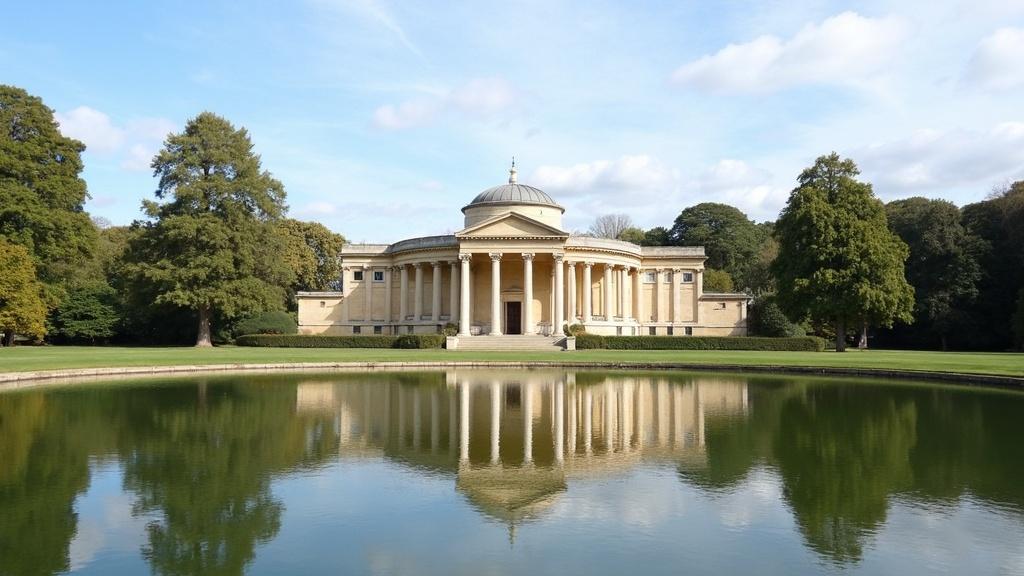
Pittville is Cheltenham at its most elegant and least hurried. A 200-year-old Regency estate on the northern edge of the town, built around one of England's finest spa buildings, a ceremonial lake, a mature parkland and some of the finest Georgian houses in the South West. It's the part of Cheltenham locals go to when they want green space, fresh air, a proper Sunday walk, and a slower pace than the Promenade can give them.
This is a local's guide to Pittville Cheltenham. The park itself, the Pump Room, the cafés, the walks, the history, and how to build a proper morning, afternoon or day around this corner of the town. It's written for locals who haven't explored it in a while, for visitors looking for the quieter side of Cheltenham, and for anyone thinking about spending half a day somewhere genuinely beautiful.
One thing to understand up front: Pittville is a neighbourhood, not just a park. The Regency estate stretches for several streets around Pittville Park itself, and includes some of the largest and most distinguished houses in Cheltenham. The park is the centrepiece, but the whole area deserves wandering.
A Brief History of Pittville
Pittville was the ambitious vision of Joseph Pitt, a wealthy local solicitor who decided in the early 1820s that Cheltenham needed a new quarter to rival its existing spa developments. Pitt's plan was for a 100-acre estate with its own Pump Room, walks, rides, gardens and up to 600 houses, essentially a brand new spa town-within-a-town on the northern edge of the existing Cheltenham.
Development began in 1824 and 1825. Pitt employed the architect John Forbes, who designed the overall layout of the estate and (most importantly) the Pittville Pump Room itself. The Pump Room opened on 20 July 1830, and it remains the largest spa building in Cheltenham and one of the finest Regency buildings in the country.
Pitt's full vision of 600 houses was never quite completed, but enough of the estate was built to give Pittville its lasting character: sweeping crescents, large detached villas, ceremonial gates and the dominant focal point of the Pump Room. Nearly 200 years later, the Pittville estate remains one of the most desirable residential areas in Cheltenham, and the park is one of the town's great assets.
Pittville Park: The Heart of the Neighbourhood
Pittville Park opened in 1825 and is the largest ornamental park in Cheltenham. It's Grade 2 listed on the English Heritage register of historic parks and gardens, and it's a genuinely beautiful space: mature trees, two lakes, ornamental flower beds, wide grass lawns and the stately presence of the Pump Room at the top of a gentle slope.
The park is effectively split into two sides, connected by a tunnel that runs underneath Evesham Road. Knowing the layout is the key to using Pittville Park properly.
The East Side: The Pump Room, the Lake and the Play Area
The east side of the park is the more formal half. The Pump Room sits at the northern end, overlooking lawns and the main ornamental lake, and it's one of the best places in Cheltenham to stand and take in a view. Also on this side you'll find:
- A large children's play area with a kiosk
- Aviaries (a long-standing Pittville tradition)
- The Sundae Shack for ice creams in summer
- Central Cross Café (more on which below)
- Public toilets
- Wide open grass for picnics and games
- Bandstand area occasionally used for events
If you're bringing kids, the east side is where you'll spend most of your time. The combination of the play area, the ice creams, the aviaries and the open grass makes it one of the best family-friendly destinations in Cheltenham.
The West Side: The Boating Lake, Tennis and Pitch & Putt
The west side of Pittville Park is the more active half. The highlights here include:
- The boating lake and The Boathouse Café
- A proper pitch and putt golf course
- Tennis courts
- A skateboarding and BMX area
- Natural play equipment for children
- Beautiful flower beds and mature trees
- A newer path network that makes circular walks easy
It's worth crossing the tunnel at least once per visit to see the whole park. Most locals stick to whichever side they arrived at, which means the full experience of Pittville Park is something even longtime residents rarely commit to doing in one go.
Pittville Pump Room: The Regency Icon
Pittville Pump Room is a Grade I listed Regency gem, one of the most significant spa buildings of its era in England. It was designed by John Forbes and built between 1825 and 1830, with wide steps, tall Ionic columns, a grand interior and a dome that overlooks the park like a small temple. If you've only seen it in photographs, it's bigger and more impressive in person.
The Pump Room is open to the public for general viewing Wednesday to Sunday, 10am to 4pm, with timings occasionally adjusted for private events and bank holidays. Check in advance if you're making a special trip. Inside, you can still see the original spa waters pump (the waters were once genuinely consumed for their supposed health benefits, a big part of why Cheltenham was founded as a spa town in the first place), and the ballroom interior is well worth taking time over.
The Pump Room is also a popular wedding and event venue, and it occasionally hosts festival programming during the Cheltenham Literature Festival and the Jazz Festival. If you see a concert or event at the Pump Room on a schedule, go. The acoustics and atmosphere are exceptional.
Pittville's Cafés: Where to Eat and Drink in the Park
Pittville Park has three cafés, which is genuinely useful and makes it easy to spend a few hours here without planning food in advance.
The Boathouse Café
The Boathouse Café, overlooking the boating lake on the west side, is the warmer and more welcoming option. Indoor and outdoor seating, dog-friendly with water bowls, blankets provided in winter and picnic rugs in summer, a proper selection of hot drinks, light bites, cakes and genuinely excellent ice cream. It's the right pick for a longer stop after a walk, and the view over the lake does a lot of the work.
Central Cross Café
On the east side, Central Cross Café serves hot and cold food and drinks with an outdoor seating area. It's closer to the play area and the Pump Room, making it the natural stop for families with young children who don't want to trek across the park mid-visit. A quick, reliable coffee and cake stop.
The Pittville Pump Room Heritage Café
Inside the Pump Room itself, the Heritage Café operates during the building's open hours and is worth visiting for the setting alone. Tea and cake in a Regency ballroom is not the worst way to spend 30 minutes.
Beyond the park, the wider Pittville neighbourhood has a small cluster of independent cafés and pubs worth exploring, particularly along the Prestbury Road corridor that borders the eastern edge of the estate. It's not a restaurant district in the way Montpellier is, but you'll find enough for a proper coffee or a relaxed lunch nearby.
Walks in and around Pittville Park
Pittville is one of the best places in central Cheltenham for walking. Three routes worth knowing about:
The Pump Room to Upper Lake loop (30-40 minutes)
A self-guided tree walk published by Cheltenham Borough Council takes you from the Pump Room around the main lake and up to the upper lake on the west side, past some of the mature specimen trees the park is known for. It's an easy, mostly flat route and takes 30 to 40 minutes at a gentle pace.
The full Pittville Park circuit (about an hour)
Walk both sides of the park in full, using the tunnel under Evesham Road to connect them. This is the full Pittville experience: the east side with the Pump Room, the central lake, the lawns and the aviaries, and the west side with the boating lake, the pitch and putt, the flower beds and the tennis courts.
Pittville to the Promenade (15-20 minutes each way)
Pittville is walkable from Cheltenham's town centre in about 15 to 20 minutes, mostly via Evesham Road and the north end of the Prestbury Road. It's a pleasant urban walk with Regency terraces most of the way, and it's the right option if you're based in the town centre and want to make a morning of it without driving.
For longer walks further afield, our guide to the best walks near Cheltenham covers the wider Cotswold routes including Leckhampton Hill and Cleeve Common.
Things to Do in Pittville Beyond the Park
The Pittville estate is worth exploring on foot for the architecture alone. Walk a slow loop around Clarence Square, Wellington Square and the streets around the Pump Room and you'll see some of the finest Regency terraces and villas in Cheltenham. The house names alone tell a story of Victorian aspirations: plenty of villas named after fashionable resorts of the time.
Other activities in the area worth knowing about:
- Pittville pitch and putt course, open to the public for casual rounds, a great family activity
- Tennis courts in the park, available for casual and booked play
- Boating on the lake in warmer months (check availability with the Boathouse Café)
- Aviaries, a long-running Pittville tradition with birds including parakeets and finches
- Cheltenham Regency Walks, guided walking tours sometimes include Pittville as part of their route
Is Pittville Cheltenham a Good Place to Live?
Genuinely, yes, and locals have thought so for nearly 200 years. Pittville has some of the largest and most distinguished Regency houses in Cheltenham, the park on the doorstep, a quiet residential atmosphere, and easy access to the town centre. It's one of the most desirable neighbourhoods in the town and consistently appears on "best places to live in Cheltenham" lists.
The main trade-off is price: the grand Pittville villas don't come cheap, and the area is generally at the higher end of Cheltenham's housing market. But for green space, beauty, history and quality of life, it's hard to beat. If you're considering a move to the area, our wider guide to moving to Cheltenham covers the broader decision.
Where to Park and How to Get There
Pittville Park has paid parking behind the Pump Room, accessed via East Approach Drive. It's usually adequate except on the busiest summer weekends and during festival periods. Alternatively, the park is a 15 to 20 minute walk from Cheltenham town centre, a 10-minute cycle, or a short bus ride from the central bus station.
By car from the Cotswolds, access is straightforward via the A435 and Evesham Road. The park sits on the northern edge of Cheltenham and is well signposted once you're in town.
The Short Version
Pittville Cheltenham is the quiet, beautiful, historically rich corner of the town that locals use far more than visitors. The Pump Room is a proper Regency icon, the park is one of the best in the South West, the cafés are genuine (especially The Boathouse), and the wider neighbourhood has some of the finest Regency architecture in England.
If you're visiting Cheltenham for a weekend, block out at least a morning for Pittville. Start with breakfast in the town centre, walk up via Prestbury Road, spend an hour in the park, visit the Pump Room when it's open, stop at the Boathouse Café for coffee, and walk back via the smaller residential streets to take in the architecture. You'll see a quieter, grander, more Regency version of Cheltenham than most tourists ever find.
For more on other Cheltenham neighbourhoods worth exploring, our guide to Montpellier covers the town's most characterful quarter, and the full area guide has more listings for businesses and places within the Pittville district itself.