Moving to Cheltenham: Is It a Good Place to Live?
Is Cheltenham a good place to live? Eight areas compared, with ONS house prices and rents, 2026/27 council tax, Ofsted-rated schools, train times to London and Birmingham, and the honest trade-offs.
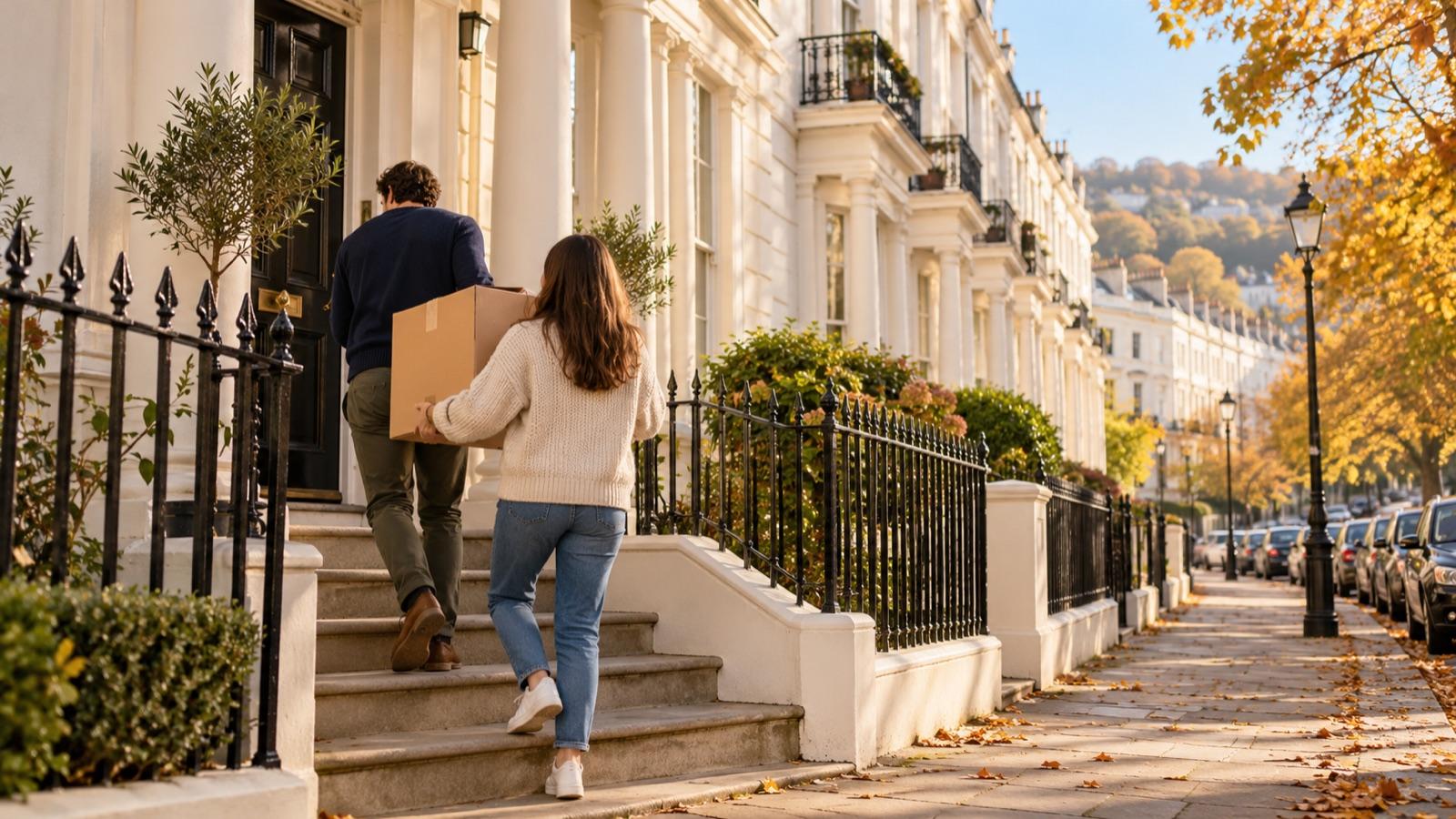
In short: yes, for most people. Cheltenham is a green, walkable Regency town of about 118,800 people, with direct trains to London and Birmingham and two state secondary schools rated Outstanding by Ofsted. Live in Montpellier to walk everywhere, Charlton Kings for families and Leckhampton for the hills. Budget for it: the average home cost £323,000 in July 2026 and the average rent was £1,261 a month.
Areas, costs, schools, trains, healthcare and council services for anyone moving to Cheltenham. Figures come from official sources and venue details from each venue's own website, all checked on 19 October 2026.
Is Cheltenham a good place to live?
Yes, if you want a town you can cross on foot with countryside at its edge. Housing costs and the night-time A&E are the main trade-offs.
| Why people like it | The trade-off |
|---|---|
| Compact: the station is about 15 minutes' walk from town | Homes cost more than the South West average |
| Over 100 parks and green spaces | Rents rose 4.8% in a year |
| Two Outstanding state secondary schools | Pate's is selective, with test registration in May and June |
| Birmingham in about 45 minutes, Bristol in 40 | London is about two hours, roughly hourly |
| Jump racing, the Jazz and Literature festivals, independent cafés | The A&E is nurse-led at night |
What are the best areas to live in Cheltenham?
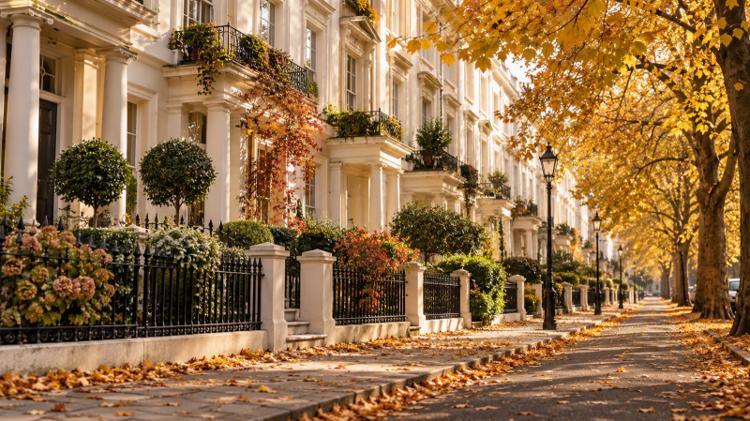
It depends on your stage of life: Montpellier and The Suffolks for walking to cafés and restaurants, Charlton Kings, Pittville and Leckhampton for families, Prestbury and Battledown for quiet.
| Area | What it's like | Who it suits | On the doorstep |
|---|---|---|---|
| Town Centre | Flats and terraces around the Promenade and High Street | Renters, no car needed | Imperial Gardens, Sandford Park |
| Montpellier | Regency terraces, boutiques, bars and restaurants | Couples who walk everywhere | Montpellier Gardens |
| The Suffolks | Cafés, pubs and independent shops on Suffolk Road and Bath Road | Couples, young families | Naunton Park |
| Pittville | Grand villas and terraces north of the centre | Families, dog walkers | Pittville Park |
| Prestbury | A village on the north-east edge | Village life, racing fans | Cheltenham Racecourse |
| Battledown | Quiet, hilly and leafy, east of the centre | Buyers who want space | Harp Hill |
| Charlton Kings | Its own shops and cafés on London Road and Church Piece | Families, near Balcarras School | Charlton Kings Common |
| Leckhampton | The southern edge, under the hill | Walkers and families | Leckhampton Hill, a National Nature Reserve since June 2026 |
Is Cheltenham expensive to live in?
Buying is: the average home sold for £323,000 in July 2026, against £302,000 across the South West and £273,000 across the UK. Rent is close to the regional figure, at £1,261 a month in August 2026 against £1,245 in the South West (ONS).
| Home | Average price (July 2026) | Average rent (August 2026) |
|---|---|---|
| Flat or maisonette | £201,000 | £985 a month |
| Terraced | £322,000 | £1,216 a month |
| Semi-detached | £395,000 | £1,337 a month |
| Detached | £625,000 | £1,753 a month |
By size, rents average £869 for one bedroom, £1,096 for two, £1,354 for three and £1,908 for four or more.
How much is council tax in Cheltenham?
For 2026/27, Band D is £2,356.15 across most of the town. Three parishes pay a little more, because their parish councils add a charge (Cheltenham Borough Council).
| Where | Band B | Band D | Band F |
|---|---|---|---|
| Most of Cheltenham | £1,832.57 | £2,356.15 | £3,403.33 |
| Charlton Kings parish | £1,876.07 | £2,412.08 | £3,484.12 |
| Leckhampton with Warden Hill parish | £1,863.47 | £2,395.88 | £3,460.72 |
| Prestbury parish | £1,861.36 | £2,393.17 | £3,456.80 |
Parish boundaries do not follow our area names exactly, so check an address on the GOV.UK band checker and ask to see the bill.
What are the schools like in Cheltenham?
Strong at secondary level: Pate's Grammar School was rated Outstanding in March 2024, and Balcarras School in Charlton Kings was graded Outstanding in all five areas in March 2025. Gloucestershire County Council runs state school admissions.
- 📝 Secondary places for September 2027: apply by midnight, 31 October 2026
- 🧒 Reception places: apply 2 November 2026 to 15 January 2027
- 🎓 Pate's entrance test: register in May and June
- 📋 Ofsted no longer gives one overall grade
How long is the train from Cheltenham to London?
About two hours. Direct GWR trains to London Paddington took 1hr 56mins to 1hr 57mins on 19 October 2026, and GWR advertises the fastest at 1hr 50mins.
| To | Direct journey | Operator | Trains an hour |
|---|---|---|---|
| London Paddington | 1hr 50mins to 1hr 57mins | GWR | 1 |
| Birmingham New Street | 43 to 46 mins | CrossCountry | 3 |
| Bristol Temple Meads | 38 to 41 mins | CrossCountry | 2 |
Times are from National Rail's live boards on a weekday afternoon. Cheltenham Spa station is on Queens Road, about 15 minutes' walk from town along the traffic-free Honeybourne Line.
Is there an A&E in Cheltenham?
Yes, but not a 24-hour emergency department. Cheltenham General Hospital's A&E is consultant-led by day and nurse-led overnight, with no ambulances after 8pm.
- 🏥 Emergency department 8am to 8pm
- 🌙 Minor injuries unit 8pm to 8am
- 🚑 24-hour emergency care at Gloucestershire Royal Hospital
- 🩺 Register with a GP online
Which council does what in Cheltenham?
Cheltenham Borough Council runs bins, parks and council tax. Gloucestershire County Council runs school admissions, roads and parking permits.
- 🥕 Food waste weekly
- ♻️ Recycling and rubbish fortnightly
- 🌿 Garden waste £60 a year, plus £4.99 delivery
- 🚗 First resident parking permit £80 a year
What is Cheltenham like to live in?
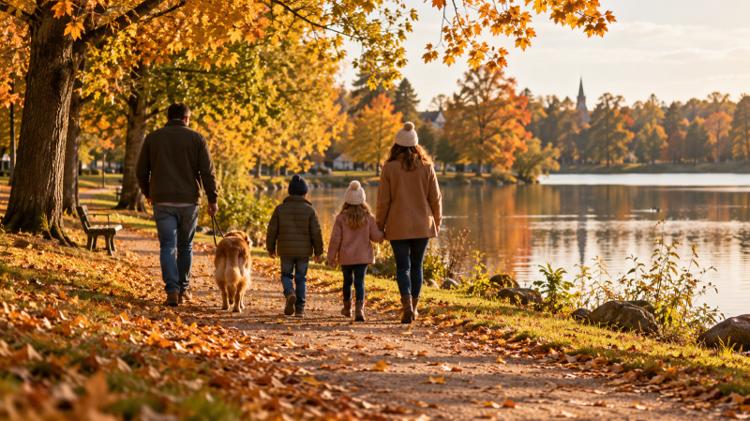
Green and busy. Six council parks have won Green Flag Awards, among them Montpellier Gardens, and the lido sits beside Sandford Park. Cheltenham Festivals runs the Jazz, Science, Music and Literature festivals, and the Cheltenham Festival brings jump racing on 16 to 19 March 2027.
Where do locals go?
Four everyday places in four different areas.
Pittville Park
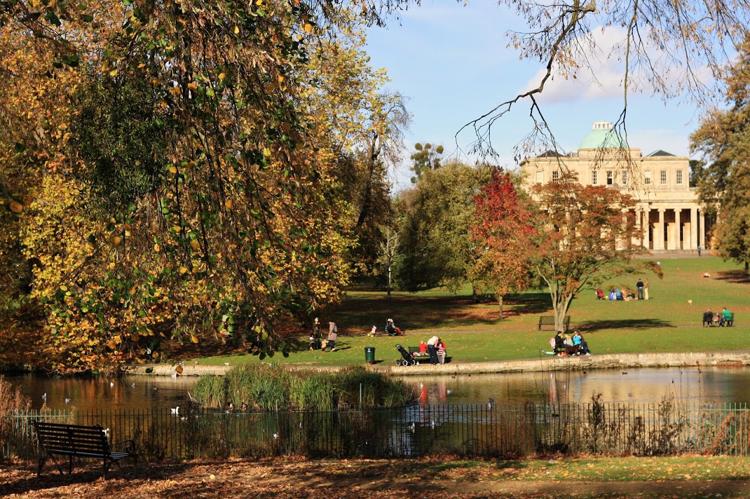
The Pump Room, the main play area and the aviaries on one side of Evesham Road; a fishing lake, tennis courts and pitch and putt on the other.
- 🚣 Boat hire
- 🏃 Cheltenham parkrun
- 🏅 Green Flag Award
- 📍 Evesham Road, Pittville
Sandford Park Alehouse
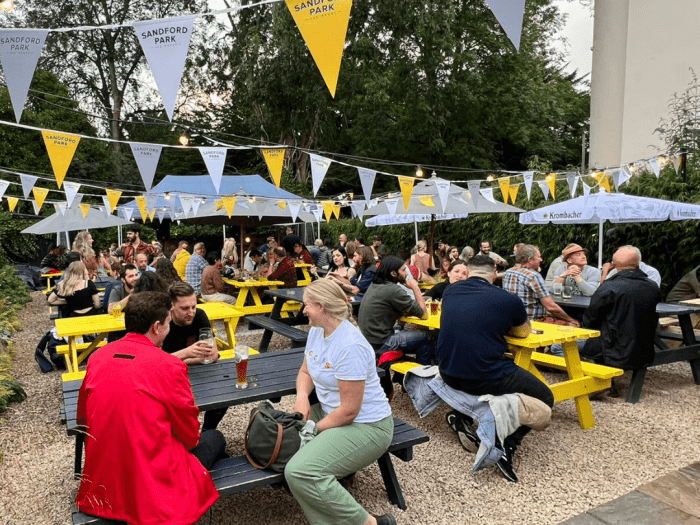
Cheltenham CAMRA's pub of the year in 2023, with what it calls the biggest beer garden in the town centre.
- 🍺 10 cask and 16 keg lines
- 🐕 Dog friendly
- 👶 Kids eat free on Sundays
- 📍 High Street, Town Centre
Curious Cafe & Bistro
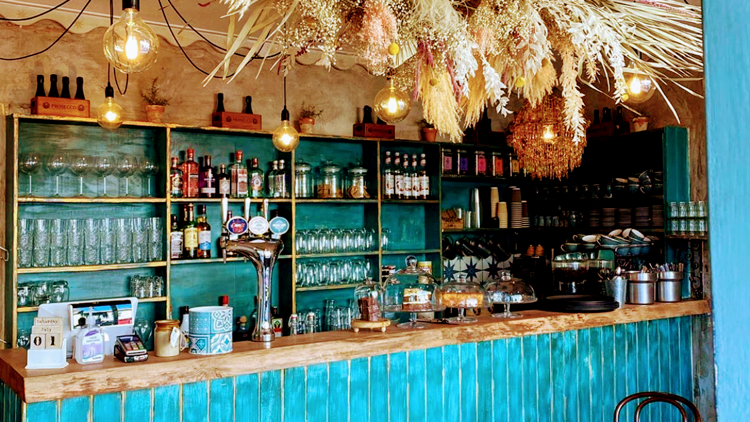
A small brunch and lunch café with a covered pergola, taking bookings on weekdays only.
- 🐕 Dogs welcome on a lead
- 👶 Children welcome
- 📍 Bath Road, The Suffolks
Moosh
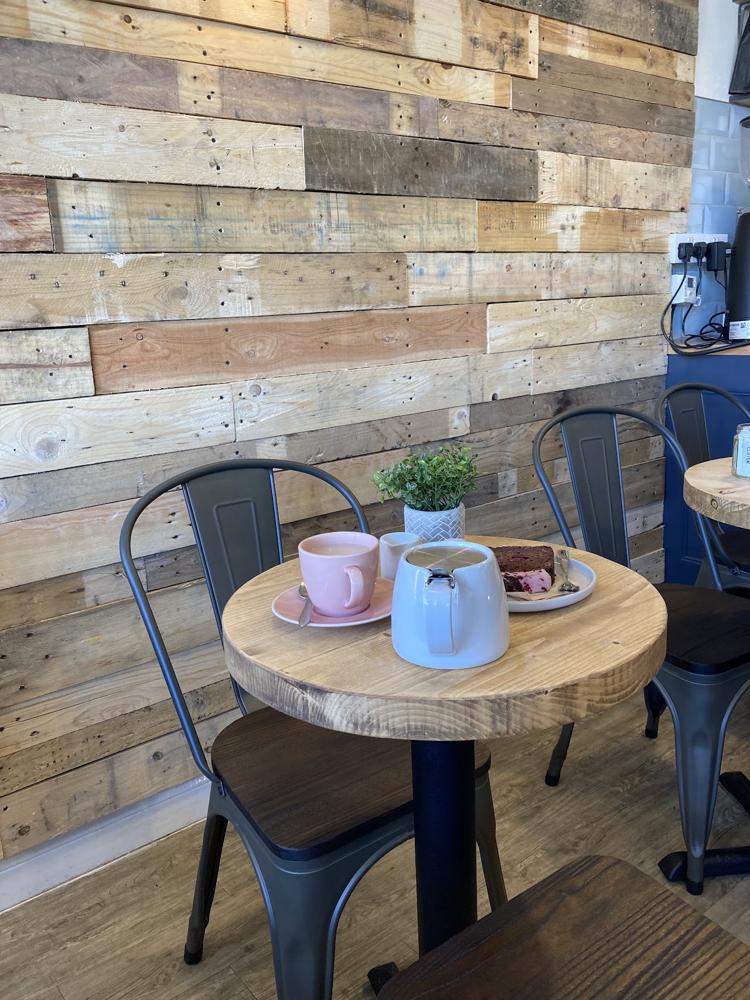
An independent coffee shop open since 2020, serving Clifton Coffee with bagels and brownies.
- ⏰ 8.30am to 4pm weekdays
- ⏰ 9am to 2pm Saturday, 10am to 1pm Sunday
- 📍 Church Piece, Charlton Kings
Moving to Cheltenham: questions
Is Cheltenham a nice place to live?
Yes for most people: it is compact and green, with two Outstanding state secondary schools. The trade-offs are house prices above the regional average and an A&E that is nurse-led at night.
What are the best areas to live in Cheltenham?
Montpellier and The Suffolks for walking everywhere, Charlton Kings and Leckhampton for families, and Pittville for park life.
Is Cheltenham expensive to live in?
Buying is: the average home cost £323,000 in July 2026, against £302,000 across the South West. The average rent, £1,261 a month, is close to the regional figure.
How much is council tax in Cheltenham?
For 2026/27, Band D is £2,356.15 in most of the town and £2,412.08 in Charlton Kings parish.
How long is the train from Cheltenham to London?
About two hours. GWR runs direct trains to London Paddington roughly hourly, the fastest taking 1 hour 50 minutes.