Hidden Gems in Cheltenham: A Local's Guide to the Quieter Side of the Town
Cheltenham has an interesting problem: most visitors only see about 10% of it. The Promenade, Montpellier and the Racecourse are on every guide, and they deserve to be, but they're also just the...
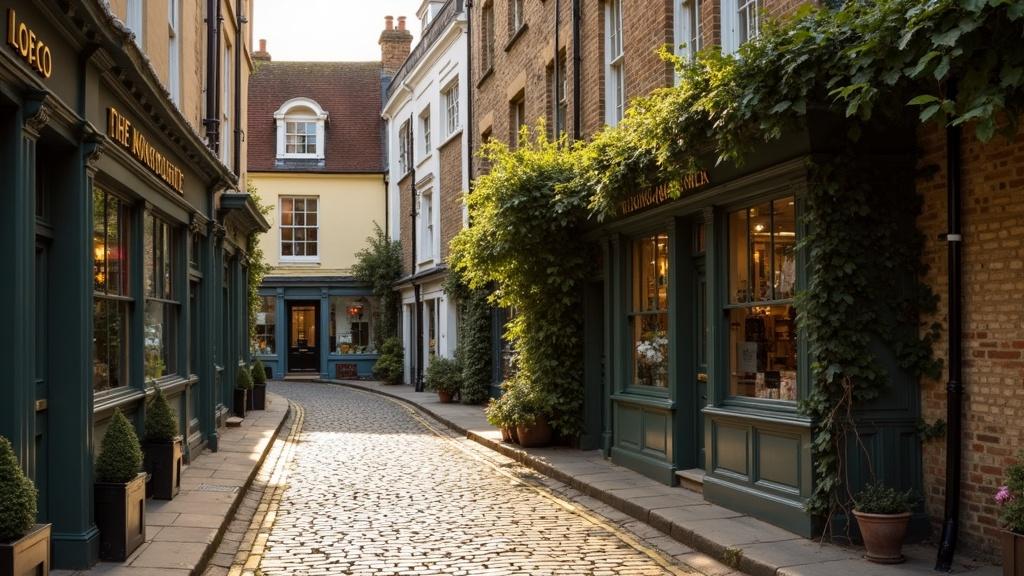
Cheltenham has an interesting problem: most visitors only see about 10% of it. The Promenade, Montpellier and the Racecourse are on every guide, and they deserve to be, but they're also just the surface of what's here. Spend longer and you start finding the quieter corners. A Victorian lido, a medieval church tucked behind the High Street, a disused railway line turned into a street art gallery, a Regency spa building that genuinely rivals Bath, a steam railway that runs through the Cotswolds, and a handful of restaurants and bars that locals protect like family recipes.
This is a local's guide to the hidden gems in Cheltenham. The places most visitors miss, the corners that reward slower travellers, and the stories behind them. It's written for people who've already done the obvious stops and want something more unusual, and for locals who might not have visited half of these in a while.
A note before we start. The phrase "hidden gem" is overused in travel writing, and we try not to lean on it. Most of the places in this guide are known to some locals and unknown to most visitors. Some of them are quietly famous but usually skipped because they're half a mile off the main drag. None of them are secret. They're just not shouted about, and that's exactly why they're worth the trip.
Cheltenham Minster: The Oldest Building in Town
Tucked behind the shops on the High Street, you'll find the only remaining medieval monument in Cheltenham. St Mary's Minster, originally built by the Normans in the 11th century and upgraded to a minster in 2013, sits quietly in the middle of a town otherwise dominated by Regency architecture. Most visitors walk past the entrance without realising it's there, because the approach from the main street gives you almost no indication of the age of the building behind it.
Step through the churchyard gate and everything changes. You find yourself in a walled medieval garden, with a genuinely old parish church at the centre, stained glass dating back to the 14th century and a quiet that feels completely disconnected from the shopping district a few metres away. It's one of the nicest quiet spots in central Cheltenham, the garden is open to the public, and the church itself is usually accessible during the day.
Visit it for the atmosphere. Come back on a warm afternoon with a coffee from Society Café and sit on one of the benches for an hour. The contrast between "20 metres from the High Street" and "medieval monastery garden" is one of the more pleasing surprises in the town.
The Montpellier Caryatids: Cheltenham's Classical Statues
On Montpellier Walk, above the shops, look up. You'll see a row of classical female figures carved into the façade, standing with one arm raised as if supporting the building above them. These are the Montpellier Caryatids, 32 Regency statues dating from the 1840s, loosely modelled on the figures on the Erechtheion at the Acropolis in Athens.
They're one of the most distinctive pieces of Regency architecture in Britain, and most people walk right past them without looking up. Once you've noticed them, you can't un-notice them, and they become a reliable orientation point in Montpellier. Each one is slightly different, and tracing the row along the street is an oddly satisfying way to spend five minutes of your wander through the town's most characterful neighbourhood.
For more on the neighbourhood itself, our Montpellier guide covers the full experience.
Sandford Park Lido: The 1930s Outdoor Pool
Sandford Park Lido is one of the most charming things in Cheltenham, and a genuine surprise for first-time visitors. A 50-metre outdoor heated pool, originally built in 1935, complete with the original art-deco turnstile entrance, still operating today as a public swimming facility. It's one of the few surviving 1930s lidos in the UK and it runs a proper swimming programme from late spring through to early autumn.
The setting is beautiful. Set within Sandford Park itself, a short walk from the town centre, surrounded by mature trees and well-kept gardens, it feels like swimming somewhere slightly from another era. The lido also hosts occasional evening events, outdoor cinema screenings and seasonal specials, which are worth checking if you're visiting in summer.
Best for: Summer visits, art-deco enthusiasts, open-air swimming, a proper old-school town experience.
The Honeybourne Line: A Street Art Cycle Path
Running from the edge of Cheltenham through Pittville and onwards, the Honeybourne Line is a traffic-free pedestrian and cycle path built on the route of a disused railway. It's genuinely pleasant walking or cycling on its own (trees, greenery, zero traffic), but what makes it interesting is that it's also become Cheltenham's unofficial open-air street art gallery.
Every year, the Cheltenham Paint Festival brings street artists to the town, and many of them paint along the walls and underpasses of the Honeybourne Line. The result is a rotating, refreshing selection of large-scale murals that change year to year, and a walk along the line is a proper free outdoor exhibition of contemporary street art. Cycle it if you want to cover more ground, walk it if you want to see everything properly.
Best for: Cyclists, street art fans, a traffic-free alternative to the pavement, an afternoon that doesn't cost anything.
The Gloucestershire Warwickshire Steam Railway
On the western edge of Cheltenham, at the Racecourse, sits the start of the Gloucestershire Warwickshire Steam Railway. This is the northern section of the historic Great Western Railway Honeybourne Line, built in the early 1900s, relaid in recent decades by dedicated volunteers, and extended in 2018 to run all the way through the Cotswolds to Broadway.
You can ride a proper steam locomotive and historic carriage through the countryside, from Cheltenham Racecourse station up through Winchcombe and on to Broadway. It's a proper heritage railway experience, not a theme park ride: real steam engines, real volunteers, real vintage carriages. The views across the Cotswold escarpment from the carriage windows are some of the best you'll see from any public transport in the country.
A full return journey takes most of a day, and it's one of the best activities in the whole Cheltenham area for a special day out, a family treat or a proper dose of rural nostalgia. Check the timetable in advance, because the railway operates on specific running days.
Best for: Railway enthusiasts, family days out, Cotswold sightseeing, a proper slow travel experience.
Pittville Pump Room: Regency Grandeur on the Edge of Town
Pittville is technically not a secret, but it's almost always skipped by visitors who think the Promenade is the end of central Cheltenham. That's a mistake. Pittville Pump Room is arguably the finest Regency spa building in England outside of Bath, built between 1825 and 1830 as the grand centrepiece of a new spa estate on the north edge of the town. It's Grade I listed, the largest spa building in Cheltenham, and sits in the middle of one of the town's best parks.
Most days of the week (Wednesday to Sunday, 10am to 4pm), you can walk straight in for free and admire the interiors. The ballroom is beautiful, the view from the steps out across Pittville Park is one of the best in the town, and the Heritage Café inside does a proper tea and cake. Come for the architecture, stay for the park, and spend a full morning on the quieter side of Cheltenham.
Best for: Architecture fans, Regency history, free attractions, half-day wanders.
Holst Victorian House: The Planets' Birthplace
On Clarence Road, a short walk from the Promenade, sits a small Victorian townhouse that was once the childhood home of the composer Gustav Holst, who wrote The Planets. The house has been restored as a museum of Victorian middle-class life, and it still contains the piano Holst actually composed The Planets on, which is a genuinely moving thing to see in person.
The museum is small, easily done in an hour, and a quietly excellent window into the Cheltenham of the 1870s. Interactive displays let you view and listen to early Holst manuscripts, and the whole visit feels more personal than most larger museums manage. It's one of the most rewarding one-hour stops in the town.
Best for: Classical music lovers, history fans, quiet afternoon visits, family visits with older children.
Purslane: The Quietly Excellent Cheltenham Restaurant
Purslane on Rodney Road is widely respected among locals who care about food, and much less known to tourists. The cooking is sustainably-sourced seafood-led, the dining room is intimate, and the service is genuinely excellent. It's not the flashiest restaurant in Cheltenham, but it's one of the most consistently rewarding. Locals book it for anniversaries, special dinners, and impressing friends who've been told the town doesn't have a restaurant scene.
For the full picture of Cheltenham's restaurant landscape, our best restaurants guide has the full list, but Purslane is worth highlighting here as the standout "quietly excellent" option.
Best for: Sustainable seafood, grown-up dinners, food-obsessed friends.
The Urban Fox Bar: Cocktails and Cupcakes in Montpellier
Tucked into Montpellier Walk, The Urban Fox is one of the more unusual bars in Cheltenham. The concept: cocktails and cupcakes, both made on site, both genuinely good, in a relaxed two-floor space. The bar works closely with several local distilleries and producers, which means the spirits list has genuine local personality, and the cocktail menu leans towards creative, inventive builds rather than the standard list.
It's the right pick for a weekday evening date or a group catch-up, and it's the kind of place locals recommend quietly to friends rather than shouting about it on Google Maps. For more on the cocktail scene, see our best cocktail bars in Cheltenham roundup.
Slimbridge Wetland Centre: Just Outside Cheltenham
A 20-minute drive from Cheltenham, on the banks of the River Severn, sits Slimbridge Wetland Centre. Founded by the conservationist Sir Peter Scott in 1946, it's one of the most important wetland reserves in the world, and a proper day out from Cheltenham for anyone interested in wildlife, conservation or birdwatching.
You can watch thousands of wintering birds, walk through beautifully maintained wetlands, take guided tours, and spend a full day on a genuinely world-class conservation site without leaving the county. It's one of those places that locals mean to visit more often than they actually do, and visitors are usually surprised by how rewarding it is.
Best for: Wildlife enthusiasts, birdwatching, family day trips, a proper outdoor day.
Prestbury: England's Most Haunted Village?
Just north of Cheltenham lies Prestbury, which bills itself as one of the most haunted villages in England. The claim has been backed up by a properly long list of reported ghost stories, historical legends and unexplained phenomena over the centuries, and the village today is a charming collection of half-timbered cottages, old pubs, a lovely church and the kind of atmospheric lanes where the stories actually feel plausible.
Whether or not you believe the hauntings, Prestbury is a lovely village to walk around for an afternoon. The pubs are good, the architecture is genuine, and the quiet rural atmosphere is a proper contrast to central Cheltenham. Plus, it's only 10 minutes away.
Best for: Ghost story fans, village wanders, a quick rural escape, pub lunches.
The Coconut Tree: Sri Lankan Small Plates
Another local favourite that quietly doesn't get the national recognition it deserves. The Coconut Tree has been serving Sri Lankan street food in Cheltenham since 2016, tucked away from the main restaurant strip in a residential setting. The food is exceptional, the small-plates format makes it great for groups, and much of the menu is naturally vegan without compromise.
For more vegan-friendly options, see our best vegan and vegetarian restaurants in Cheltenham guide.
How to Find Cheltenham's Quieter Corners
A few tips from locals who know the town well.
Walk slowly. Cheltenham rewards people who stroll rather than march. The Caryatids, the medieval church garden, the Victorian pool, the independent shops on Suffolk Parade: none of them reveal themselves to people who are in a hurry.
Walk away from the Promenade. The best parts of Cheltenham are often 5 to 10 minutes from the obvious tourist routes. The Suffolks is a two-minute walk from Montpellier Gardens but feels completely different. Pittville is a 15-minute walk from the Promenade but feels like a different town.
Ask locals. This is the single best tip. Cheltenham's independent café staff, pub landlords and shop owners nearly all have a personal list of favourite quiet spots. Ask them. They'll usually be pleased you asked.
Go mid-week. Saturday in Cheltenham is busy. Tuesday or Wednesday is quieter, and the quieter corners of the town feel even quieter still.
Worth the Effort
The hidden gems in Cheltenham aren't really hidden. They're just spread out, slightly off the main routes, and rarely pitched at visitors. What they have in common is that each one rewards the kind of slower, more curious travel that the town is actually built for. Spend a week in Cheltenham and you'll find most of them. Spend a weekend and you'll find maybe half. Spend a day and you'll find one or two, and then you'll want to come back.
Start with Cheltenham Minster and the Montpellier Caryatids for an hour of central-town discovery, then work your way out to Pittville Pump Room, the Honeybourne Line and Sandford Park Lido for the quieter corners. Pair them with a meal at Purslane or The Coconut Tree and drinks at The Urban Fox, and you'll have seen a version of the town that most visitors never will. For more on how to spend a longer visit, our guide to a weekend in Cheltenham is the place to start.